

Contract warehousing Dedicated operations
Dedicated Warehouse Implementation & 3PL Transitions
Dedicated warehouse implementation is the process of preparing a customer-specific warehouse operation, from facility planning and staffing to inventory transfer, systems testing and launch. Taylor Logistics helps businesses transition from another 3PL, open a new dedicated distribution center or outsource operations within a facility they already own or lease.
Operating dedicated warehouses for Fortune 500 companies for more than a decade.
How do you move your distribution operation to a new 3PL?
A warehouse transition requires a coordinated plan for facilities, staffing, inventory, technology and ongoing fulfillment. Define responsibilities, test systems, reconcile inventory and confirm readiness before launch, then closely monitor performance during stabilization.
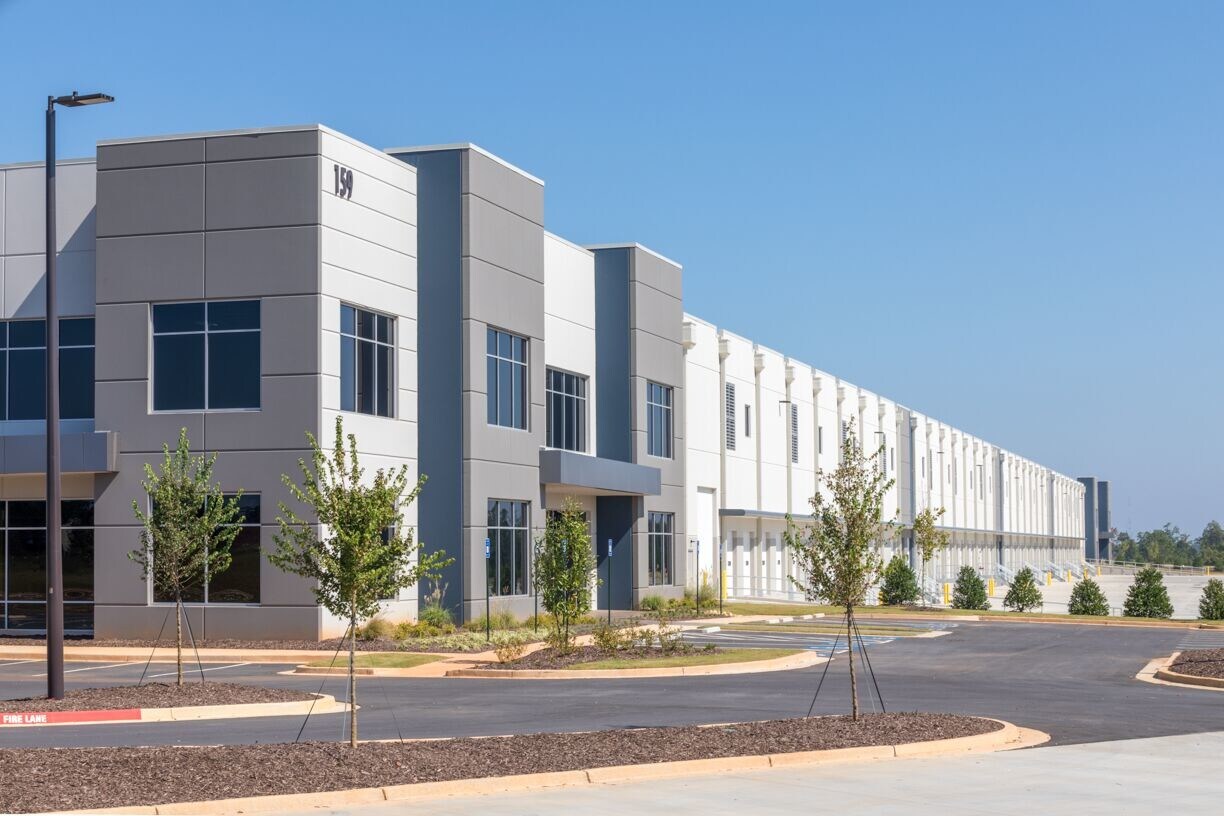
10 years operating one client’s dedicated facility
In 2026, Taylor marks 10 years running a dedicated facility for one client. Over that time, the work has expanded from warehouse operations into pricing, purchasing, transportation and technology.
- 30%
- Reduction in supply chain spend through the partnership
- 10 yrs
- Operating the client’s dedicated facility, as of 2026
What Taylor has helped the client do
- Improve profitability across pricing, purchasing, operations, transportation and cost to serve
- Implement new technology and automation
- Launch new product lines and reach new markets
- Add transportation support alongside warehouse operations
Dedicated warehouse implementation at a glance
- Implementation stages
- Discovery, facility planning, staffing and training, inventory transfer planning, systems testing, go-live and stabilization.
- Operating models
- Taylor leases and operates, you lease and Taylor operates or you own and Taylor operates.
- Location flexibility
- Dedicated operations can be evaluated beyond Taylor’s existing warehouse network.
- Timeline
- Established during discovery based on facility readiness, staffing, inventory, integrations and operating requirements.
What are the stages of a dedicated warehouse implementation?
Taylor implements a dedicated warehouse in seven stages: discovery, facility planning, staffing and training, inventory transfer, systems testing, go-live and stabilization.
Facility, staffing, inventory and systems workstreams run in parallel. A readiness review confirms each one before launch. Sequencing and timing are set with your team during discovery.
-
01
Discovery
Understand products, volumes, order profiles, service requirements, current challenges and growth plans. Establish scope and success measures.
Key deliverableDefined operating scope, requirements and success measures
-
02
Facility planning
Assess location, layout, storage, docks, racking, equipment, product flow and applicable handling requirements.
Key deliverableFacility layout, equipment needs and readiness requirements
-
03
Staffing and training
Define leadership, staffing, shifts, procedures and training. Address workforce communication where an existing team is involved.
Key deliverableStaffing plan, operating procedures and training requirements
-
04
Inventory transfer planning
Plan counts, transfer sequencing, lot and expiration data where applicable, restricted inventory and discrepancy resolution. Include handoffs where inventory stays in place.
Key deliverableTransfer sequence, inventory reconciliation and handoff plan
-
05
Systems testing
Test warehouse management system (WMS) connections, business-system integrations, automation and transaction flows, including exceptions.
Key deliverableCompleted transaction testing and documented issue resolution
-
06
Go-live
Confirm readiness, execute the agreed inventory cutover, launch operations and provide startup support.
Key deliverableReadiness approval, cutover plan and startup support
-
07
Stabilization
Monitor execution, resolve issues and establish regular performance reviews.
Key deliverablePerformance reviews, issue tracking and corrective actions
Before go-live, both teams review facility, staffing, inventory and systems readiness against agreed criteria. Critical issues must be resolved, and any remaining items need an approved action plan.
What happens during warehouse discovery?
Discovery establishes how your distribution operation works today, what it needs to support next and the requirements the operating plan must meet.
Taylor works with your operations, supply chain, IT, procurement and finance teams to establish requirements before finalizing the operating plan. We review:
- Inventory profile
- SKU count, average and peak inventory, dimensions, storage conditions and handling restrictions.
- Inbound activity
- Supplier locations, shipment types, delivery schedules and receiving requirements.
- Outbound requirements
- Order volumes, order lines, customer channels, shipping cutoffs and retailer requirements.
- Seasonality and growth
- Peak periods, promotions, new products and expected changes in demand.
- Technology
- Existing enterprise resource planning (ERP) system, WMS, labor management system (LMS), integrations, reporting and automation.
- Service expectations
- Inventory accuracy, order accuracy, turnaround times and escalation requirements.
- Current challenges
- Capacity constraints, labor concerns, service gaps and manual processes.
These inputs become the foundation for facility planning, staffing, pricing and the implementation schedule.
How do we keep orders moving during a warehouse transition?
The transition plan assigns ownership of customer orders, inventory and system updates before responsibilities change. Depending on capacity and readiness, it may use phased inventory transfers, overlapping operations, inventory buffers or a scheduled cutover.
Taylor works with your team to select an approach based on available capacity, customer commitments, product requirements and the readiness of both operations.
Phased inventory transfers
Move selected products, customers or inventory groups in stages. This can allow parts of the new operation to begin working while other activity remains at the existing location.
Overlapping operations
Keep the current operation active for an agreed period while the new warehouse begins receiving or shipping. This requires clear ownership of inventory, orders and system updates across both locations.
Inventory buffers
Position additional inventory where appropriate to support demand during the transfer. Buffer decisions should account for product availability, shelf life, storage capacity and working capital.
Scheduled cutover
Move operating responsibility during a defined window. Establish order deadlines, receiving instructions, inventory reconciliation procedures and support coverage before the change.
The plan also addresses open orders, in-transit shipments, returns and inventory on hold so these items have a clear owner during the handoff.
Does a warehouse transition require moving inventory?
A warehouse transition does not always require moving inventory. Businesses can change warehouse operators within an existing facility, outsource an internally managed operation, move from another 3PL or open a new dedicated site.
| Transition scenario | Main implementation priorities |
|---|---|
| Moving from another 3PL | Coordinate inventory release, transfer records, open orders, data exchange and receiving at the new operation. |
| Outsourcing an internally managed warehouse | Define the management handoff, staffing approach, operating procedures and division of responsibilities. |
| Changing providers within the same facility | Verify inventory, coordinate systems access, address workforce arrangements and establish operational control. |
| Opening a new dedicated site | Align facility readiness, equipment, hiring, technology and initial inventory deployment. |
Each scenario requires its own schedule, dependencies and readiness criteria.
Who manages the warehouse implementation?
A warehouse implementation needs clear ownership on both sides. Taylor and your team establish workstream responsibilities, decision-makers and escalation contacts at the beginning of the project.
The implementation plan identifies:
- Who owns facility, staffing, inventory and technology activities
- Which information and approvals your team needs to provide
- How milestones, dependencies and open issues are tracked
- Who approves changes to scope, budget or launch timing
- How suppliers, carriers, customers and the outgoing provider will be informed
- Who participates in readiness reviews and the go-live decision
A shared project plan gives both teams visibility into progress and the decisions needed to keep work moving.
What needs to be tested before warehouse go-live?
Systems testing should confirm that the operation can complete both routine transactions and the exceptions your business encounters.
The test scope depends on the systems and services included in your agreement.
| Process | Examples of what to verify |
|---|---|
| Item and inventory data | Item identifiers, units of measure, lot details, expiration dates and inventory status. |
| Receiving and putaway | Expected receipts, quantity differences, damaged goods and storage-location updates. |
| Order fulfillment | Order transmission, allocation, picking, packing and customer-specific instructions. |
| Shipping | Shipment confirmation, labels, required documents and inventory deductions. |
| Exceptions | Shortages, canceled orders, restricted inventory, returns and interface failures. |
| Reporting | Inventory balances, transaction visibility and agreed performance reports. |
Testing also establishes how errors are identified, who resolves them and how transactions are recovered if an interface is interrupted.
How are compliance requirements built into the operation?
Compliance requirements should be identified before facility design, procedures and training are finalized.
Depending on your products and customers, implementation planning may address:
- Temperature and storage conditions
- Lot, batch, serial number or expiration tracking
- Product segregation and inventory holds
- Sanitation and pest-control programs
- Traceability and recall procedures
- Customer-specific handling and documentation
- Applicable permits, audits and certification requirements
The operating agreement defines responsibilities for establishing and maintaining the required controls. Certification needs, facility eligibility and approval timelines are assessed as part of the project.
What happens after the warehouse goes live?
Go-live begins the stabilization period, when the teams closely monitor execution and address issues as the operation handles actual demand.
Taylor and your team establish a review cadence, issue log and escalation process. Early reviews focus on service, inventory integrity, system performance and whether staffing and workflows match actual activity.
What do we measure during stabilization?
| Measure | What it helps assess |
|---|---|
| Inventory accuracy | Whether physical inventory and system records agree. |
| Order accuracy | Whether orders contain the correct products and quantities. |
| On-time shipping | Whether shipments meet agreed shipping commitments. |
| Receiving turnaround | How quickly inbound inventory is processed and made available. |
| Open-order backlog | Whether unshipped orders are accumulating and why. |
| Damage and exceptions | Where handling issues or process failures need attention. |
| Labor productivity | Whether staffing and work methods support the agreed operation. |
Definitions, targets and reporting responsibilities are established for the specific operation. As performance becomes consistent, the team moves into an ongoing review and improvement cadence.
What affects the warehouse implementation timeline?
The timeline is set during discovery and depends on facility readiness, equipment, staffing, technology, inventory, compliance and business timing. Taking over an existing operation has different requirements from opening a new distribution center.
Key dependencies include:
- Facility readiness
- Lease execution, building preparation, utilities and required approvals.
- Equipment
- Racking, material handling equipment, installation and inspections.
- People
- Recruitment, leadership coverage, training and workforce arrangements.
- Technology
- Data quality, integrations, system configuration and testing.
- Inventory
- Quantity, transfer distance, transportation capacity and reconciliation.
- Compliance
- Product controls, permits and any required certification activities.
- Business timing
- Peak seasons, promotions, customer commitments and existing contract obligations.
Discovery establishes the assumptions behind the schedule. Readiness reviews confirm whether those assumptions remain valid as launch approaches.
What should you prepare for an initial discussion?
You do not need every detail finalized to start a conversation. The following information helps Taylor evaluate your requirements:
- Desired location or geographic market
- Existing facility details, if applicable
- Average and peak inventory levels
- SKU counts and product handling requirements
- Inbound and outbound activity
- Current systems and automation
- Services you want Taylor to manage
- Target timing and key business deadlines
If your data is incomplete, we can identify the information needed to develop the operating scope and next steps.
Discuss Your Warehouse Project →One dedicated operation. Multiple ways to structure it.
A dedicated warehouse serves one customer, rather than operating as a shared public warehouse. Taylor can lease and operate the site, or manage a facility you own or lease.
There are three ways to structure the operation. Each one defines who holds the building and who runs the warehouse.
Taylor leases and operates
Taylor leases a site dedicated to the customer and manages the contracted operation.
- Building
- Taylor leases
- Operations
- Taylor manages
You lease, Taylor operates
The customer holds the lease; Taylor manages warehouse operations.
- Building
- You lease
- Operations
- Taylor manages
You own, Taylor operates
The customer owns the building; Taylor manages warehouse operations.
- Building
- You own
- Operations
- Taylor manages
Your technology, Taylor’s technology or a combination.
Warehouse management system (WMS), labor management system (LMS), automation and equipment arrangements are established during discovery, including integration, maintenance and support responsibilities.
- WMS
- LMS
- Automation
- Equipment
Dedicated warehousing wherever your business needs to be
Taylor can establish dedicated warehouse operations beyond our existing network, including distribution centers closer to your customers and warehouse support near your manufacturing plants. We evaluate the location, labor market, building requirements and launch timing, then define the facility, staffing and technology plan with your team.
- Location
- Labor market
- Building requirements
- Launch timing

Taylor has operated dedicated warehouses for Fortune 500 companies for more than a decade.
What are the benefits of a dedicated warehouse?
A dedicated warehouse gives you reserved capacity, compliance controls configured around your products, more predictable budgeting and clear accountability, each defined in the operating agreement.
Reserved capacity
Dedicated space, throughput expectations and staffing commitments defined in the agreement.
Compliance configured around your products
Handling controls, training and applicable certification requirements incorporated into the operating scope.
More predictable budgeting
Defined pricing, assumptions and adjustment rules.
Clear accountability
Agreed responsibilities, service measures, reporting and escalation procedures.
Define the operating agreement before implementation
Taylor can structure dedicated warehouse agreements using cost-plus or fixed-and-variable pricing. The right approach depends on your operating requirements, expected volumes and allocation of responsibilities.
| Cost-plus | Fixed-and-variable | |
|---|---|---|
| How it’s priced | Agreed operating costs plus a defined management fee or markup. | A fixed baseline charge plus charges for agreed activities. |
| What the agreement specifies | Allowable costs, reporting and approval controls. | Included resources, activity rates and adjustment triggers. |
The agreement also establishes
- Contract term, renewal and transition responsibilities
- Facility, staffing, technology and equipment responsibilities
- Capacity commitments and volume assumptions
- Service levels and compliance requirements
- Startup costs, capital investment and change-management procedures
When dedicated warehousing makes sense
Dedicated warehousing makes sense when you have sustained volume, specialized handling, customer-specific workflows, an existing facility that needs an operator or multi-year growth plans.
Fit depends on total operating cost, service requirements and the commitment the business can support.
- Sustained inventory or order volume
- Specialized handling or storage requirements
- Customer-specific workflows and technology
- An existing facility that needs an operating partner
- Multi-year distribution and growth plans
Warehouse transition FAQs
Direct answers to the questions operations, procurement and finance teams ask before moving to a dedicated operation.
The transition guide covers moving inventory, keeping orders moving, timing and what to prepare.
Ask our team →
Can Taylor manage a warehouse we already own or lease?
Yes. Taylor can operate a facility you own or lease. You keep the building or the lease, and Taylor manages warehouse operations under an agreement that defines facility, staffing, technology and equipment responsibilities.
Can Taylor lease and operate a dedicated facility for us?
Yes. Taylor can lease a site dedicated to your business and manage the contracted operation. Location, building suitability and lease terms are evaluated during discovery.
Can we keep our WMS, LMS and automation?
Yes. You may provide the WMS, LMS, automation and equipment, Taylor may provide them or the operation may combine both. Integration, maintenance and support responsibilities are established during discovery.
Can Taylor establish a warehouse outside its existing network?
Yes. Taylor can establish dedicated operations beyond its current locations, including distribution centers closer to your customers and warehouse support near manufacturing plants. Location feasibility, labor availability, building suitability and timing are assessed during discovery.
What is included in a dedicated warehouse transition plan?
A dedicated warehouse transition plan defines the operating scope, facility and equipment requirements, staffing, inventory handoffs, systems testing, communication responsibilities, launch criteria and stabilization activities. The details depend on whether the business is moving locations, changing operators or opening a new facility.
What affects dedicated warehouse implementation costs?
Implementation costs depend on facility preparation, equipment, recruiting and training, systems configuration, integrations and inventory transfer requirements. The operating agreement identifies startup costs, capital responsibilities and ongoing operating charges.
Let’s plan your dedicated warehouse operation.
Tell us where you operate, what needs to change and when you need to be ready. We’ll work with your team to define the operating model and transition plan.
