

Foreign-Trade ZonePort of Portland, MaineSQF certified
FTZ Cold Storage at the Port of Portland, Maine
Maine International Cold Storage Facility (MICSF) pairs Foreign-Trade Zone status with frozen and refrigerated warehousing next to the International Marine Terminal. Store imports with duties deferred, re-export without US duties and move product from vessel to chamber the same day.
Foreign-Trade Zone Cold Storage in Portland, Maine
MICSF is a Foreign-Trade Zone (FTZ) cold storage warehouse at 20 West Commercial Street in Portland, Maine, directly adjacent to the International Marine Terminal. Imported frozen and refrigerated goods admitted to the zone are not subject to US duties until they leave the zone and enter US commerce. Goods re-exported from the zone leave without paying US duties at all.
MICSF is operated by Taylor Logistics Inc., a seventh-generation, women and family-owned 3PL with more than 175 years in logistics. The facility runs under the same SQF food safety program as Taylor’s Cincinnati food-grade warehouses, and zone inventory is managed in Descartes Foreign Trade Zone (FTZ) Management software for accurate admissions, inventory control and customs filings.
- Cold storage
- 106K sq ft
- Pallet positions
- 21,000
- Loading docks
- 13 + ramp
- To I-95 / I-295
- ~1 mile
- Location
- 20 West Commercial Street, Portland, ME 04102
- Port access
- Directly adjacent to the International Marine Terminal
- Food safety
- SQF certified under GFSI and FDA registered
- Zone software
- Descartes FTZ Management plus Synapse WMS
- Temperatures
- Frozen and refrigerated chambers with continuous monitoring
- MICSF team
- Call (207) 464-7648Tour the facility →
What Is a Foreign-Trade Zone?
Treated as outside US customs territory for duty purposes.
A foreign trade zone is a secure, designated site in the United States. Zones are authorized by the Foreign-Trade Zones Board under the US Department of Commerce and supervised by US Customs and Border Protection (CBP).

Imported seafood, protein, dairy and frozen food can sit in temperature-controlled storage in Portland while you decide where it goes and when, without tying up cash in duties on product that has not been sold.
See the FTZ benefits →01 · HandlingStore and handle before duty
Foreign goods can be admitted, stored, inspected, sorted, relabeled and repacked without paying duties or certain federal excise taxes.
02 · Duty timingPay only on entry to US commerce
Duties are paid only when goods leave the zone and enter the US market.
03 · ExportsNo US duty on exports
If goods are exported, destroyed under CBP supervision or never enter US commerce, no US duty is owed.
04 · TimeNo time limit
There is no time limit on how long goods can stay in a zone.
05 · OversightAuthorized and supervised
Zones are authorized by the Foreign-Trade Zones Board under the US Department of Commerce and supervised by US Customs and Border Protection (CBP).
The North Atlantic Gateway for Cold Chain Imports
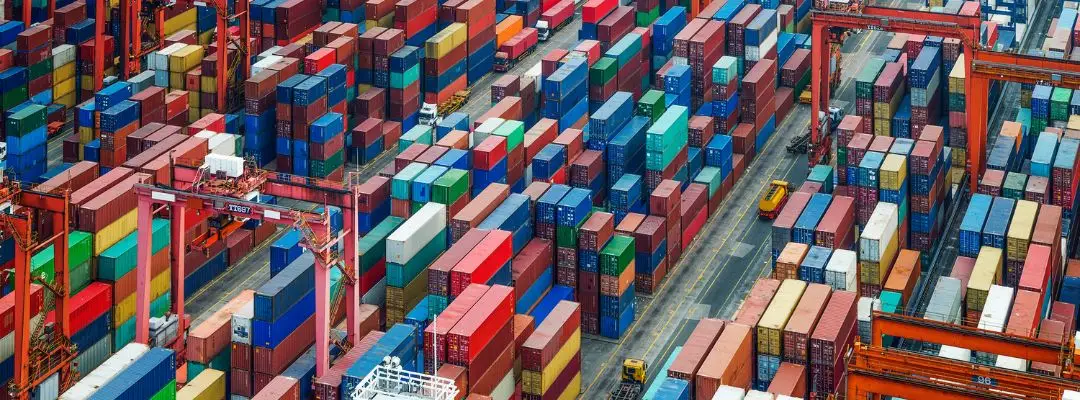
Portland sits on Casco Bay at the center of Maine’s working waterfront, with deep-water access, a container terminal with weekly European service and direct reach into New England, Atlantic Canada and the Northeast corridor. Containers discharged at the International Marine Terminal can be in temperature-controlled storage the same day, which protects product quality, cuts drayage miles and reduces the time reefer containers sit on chassis.
- International Marine Terminal
- Directly adjacent
- I-95 and I-295
- About 1 mile
- Portland International Jetport (PWM)
- About 3 miles
- Boston, MA by truck
- Under 2 hours
- New York, NY by truck
- About 5.5 hours
- Adjacent
International Marine Terminal
MICSF is the only purpose-built, GFSI cold storage warehouse at the terminal, so ocean freight moves from vessel to chamber without long drayage.
Eimskip Green Line
Weekly fixed-day service connects Portland with Reykjavík, the UK, the Netherlands, Norway, the Faroe Islands and Atlantic Canada.
Gateway to Canada
Maine borders New Brunswick and Quebec. Goods held in the zone can be re-exported to Canadian buyers without paying US duties first.
Gulf of Maine seafood hub
Portland’s working waterfront is a center of the Gulf of Maine seafood trade, a natural home for frozen and fresh seafood programs, both imported and domestic.
- ~1 mile
Rail and highway access
A Pan Am / CSX rail siding serves the terminal complex for inland container moves, and I-95 and I-295 are about a mile away.
- <2 hrs
Northeast market reach
Boston is under two hours away and New York about five and a half, putting the densest consumer markets in the US within a driver shift or two.
Foreign-Trade Zone Benefits for Cold Chain Partners
FTZ status changes when and whether duties are paid. For perishable and high-value food imports, those savings add up quickly.
- 0US duty on re-exports and on goods destroyed under CBP supervision
- ∞No time limit on storage in the zone
- 1Customs entry per week where approved by CBP

FTZ vs. Bonded Warehouse
Both let you defer duties, but a foreign trade zone offers more flexibility for importers who need time, re-export options or the ability to work with product before it enters the US market.
| Feature | Foreign-Trade Zone | Bonded warehouse |
|---|---|---|
| Storage time limit | None | Up to 5 years from importation |
| When duties are paid | When goods leave the zone for US commerce | When goods are withdrawn for consumption |
| Re-exports | No US duty | No US duty |
| Repacking, relabeling and sorting | Allowed | Limited and under CBP supervision |
| Manufacturing | Allowed with FTZ Board approval | Not allowed |
| Weekly entry filing | Available with CBP approval | Not available |
| Destroyed or wasted goods | No duty when destroyed under CBP supervision | Can be destroyed under CBP supervision |
How FTZ Cold Storage Works at MICSF
Four steps from vessel to release, with every lot tracked in zone inventory from admission to entry or re-export.
Directly adjacent to the International Marine Terminal
- 01
Arrive at the Port of Portland
Containers discharge at the International Marine Terminal or arrive by truck or rail, then move next door to MICSF for same-day temperature-controlled receiving.
- 02
Admit to the zone
Our team files the zone admission (CBP Form 214) through Descartes FTZ Management and records each lot in zone inventory.
- 03
Store, hold and manage
Product is stored frozen or refrigerated with lot and date control, FEFO rotation, USDA and FDA hold segregation and continuous temperature monitoring.
- 04
Release or re-export
When you are ready, goods are entered into US commerce, often on a weekly entry, or re-exported to Canada or overseas with no US duty owed.
Importing frozen or refrigerated product?
Tell us your origin, volumes and where the product is headed. We will map out zone admission, storage and release.
Zone Control You Can Audit
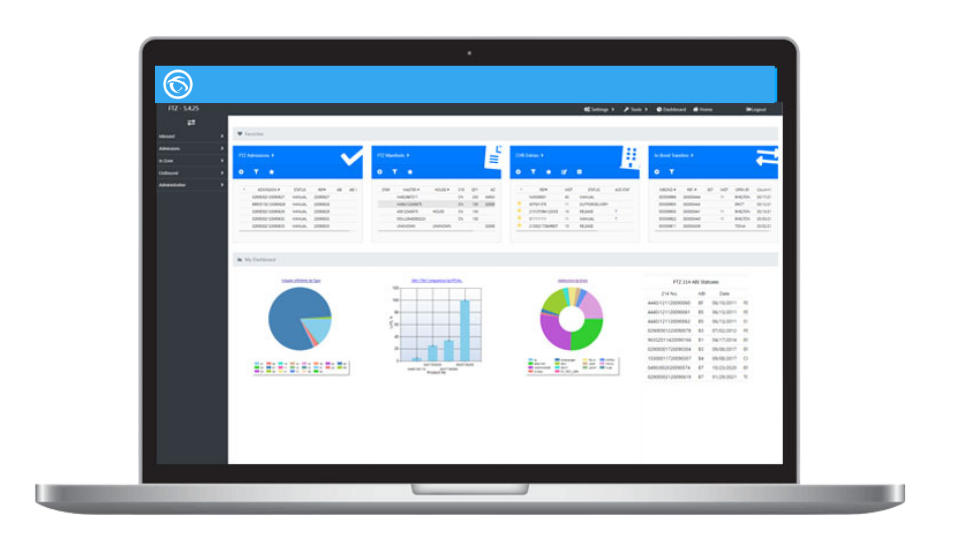
FTZ operators are responsible for accurate inventory control and recordkeeping for every lot in the zone. MICSF combines dedicated FTZ software, a modern WMS and a certified food safety program so CBP compliance and cold chain integrity run on the same accurate data.
- Zone inventory
Descartes FTZ Management
Zone admissions, inventory control and weekly entry filings are managed in Descartes FTZ software, with electronic filing to CBP.
- Warehouse visibility
Synapse WMS
Real-time inventory, a customer portal and EDI 940, 943, 944, 945 and 947 keep your team current on every lot.
- Food safety
Certified food safety
SQF certified under GFSI, FDA registered and supported by a HACCP plan validated annually and an SQF Practitioner on staff.
- Cold chain
Continuous monitoring
Chamber telemetry with alarm escalation and per-lot temperature logs available on request.
- Sustainability
Natural refrigerant
CO₂ (R-744) refrigeration with low global warming potential and zero ozone depletion potential.
- Zone details
Foreign-Trade Zone site
MICSF operates as a Foreign-Trade Zone site at the Port of Portland, Maine. Contact our team for zone activation and admission details.
Built for Importers, Exporters and Cold Chain Partners
Seafood importersBringing frozen product from the North Atlantic, Europe and beyond
European and Icelandic exportersEntering the US market on the Eimskip Green Line
Atlantic Canada suppliersStaging inventory for both US and Canadian buyers
Frozen food and protein brandsHolding inventory ahead of retail and foodservice demand
Dairy and ingredient suppliersThat need lot control, holds and traceability
Foodservice distributorsServing New England and the Northeast corridor
Foreign-Trade Zone Cold Storage FAQs
Short answers for importers, exporters and cold chain partners evaluating FTZ storage.
Reviewed Ask the MICSF team →Is there a foreign trade zone in Portland, Maine?
Yes. Maine International Cold Storage Facility (MICSF), at 20 West Commercial Street in Portland, operates as a Foreign-Trade Zone cold storage site directly adjacent to the International Marine Terminal. It is operated by Taylor Logistics Inc.
What is a foreign trade zone?
A foreign trade zone is a designated, CBP-supervised site in the United States that is treated as outside US customs territory for duty purposes. Goods can be stored and handled in the zone without paying duties until they enter US commerce.
How does a foreign trade zone work?
Foreign goods are admitted to the zone on CBP Form 214 and tracked in zone inventory. While in the zone they can be stored, inspected, sorted, relabeled or repacked. Duties are paid only when goods are entered into US commerce. Goods that are re-exported or destroyed under CBP supervision owe no US duty.
What is the difference between an FTZ and a bonded warehouse?
Both defer duties, but an FTZ has no storage time limit, allows more handling of goods, can support manufacturing with FTZ Board approval and offers weekly entry filing. Bonded warehouses limit storage to five years and restrict what can be done with goods.
Can frozen seafood be stored in a foreign trade zone?
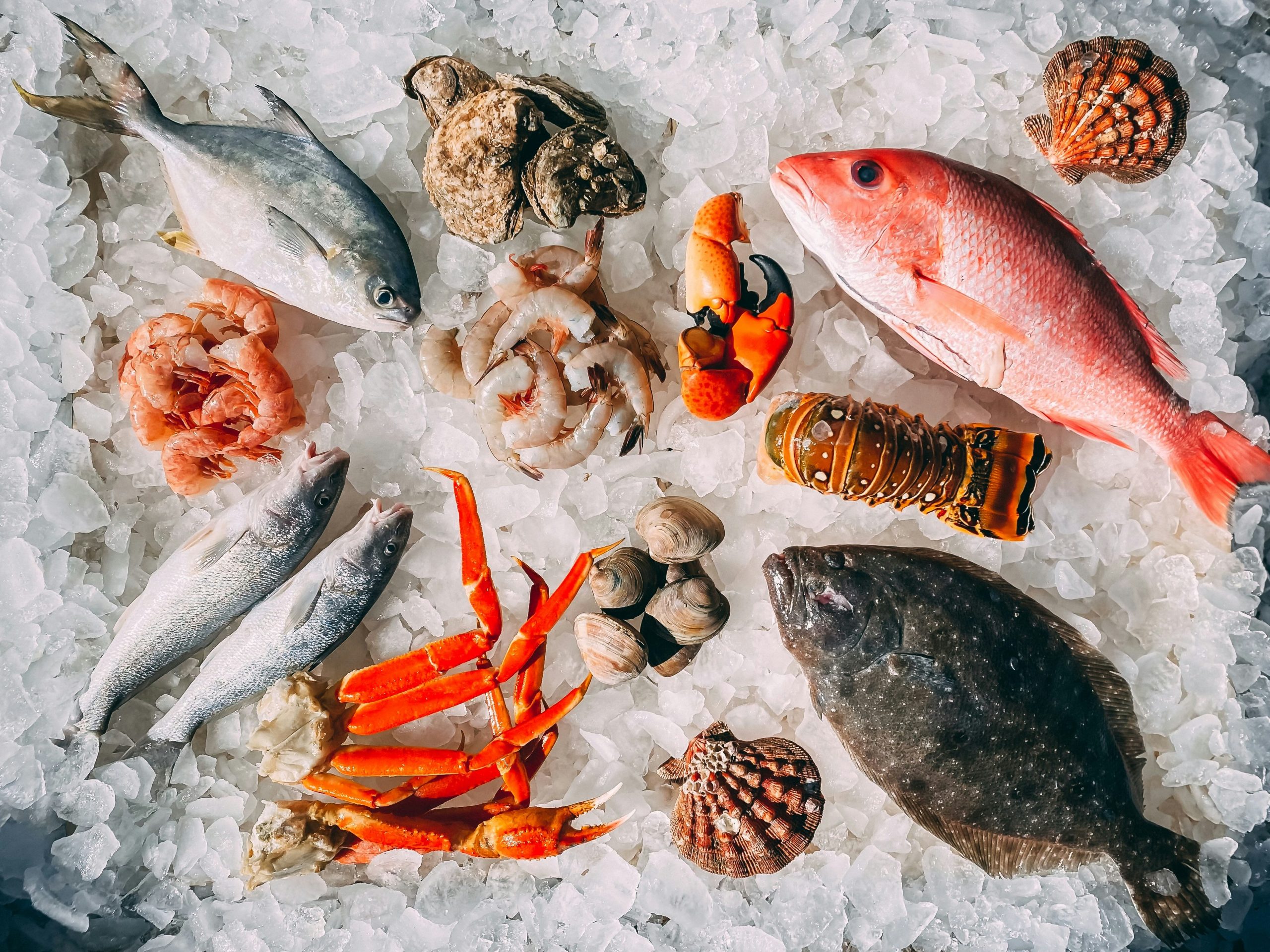
Yes. MICSF stores frozen and refrigerated seafood, protein, dairy and other food products in its FTZ, with lot and date control, FEFO rotation and USDA and FDA hold segregation.
Do I pay duty on product that spoils in an FTZ?
Goods destroyed in the zone under CBP supervision are not subject to duty, so you avoid paying duties on product that never reaches the US market.
How long can goods stay in a foreign trade zone?
There is no time limit on storage in a foreign trade zone, unlike bonded warehouses, which are limited to five years from importation.
What software does MICSF use to manage the FTZ?
MICSF manages zone admissions, inventory control and customs filings in Descartes Foreign Trade Zone (FTZ) Management, alongside Synapse WMS for real-time warehouse inventory visibility.
Can goods in the MICSF FTZ be re-exported to Canada?
Yes. Goods held in the zone can be re-exported to Canada or overseas without paying US duties. Portland’s location, the Eimskip Green Line and highway access make MICSF a practical staging point for Canadian and European trade.
Put FTZ Cold Storage to Work at the Port of Portland
We exist for our people and to care for our customers’ inventory. We act with humility, hunger and smarts.
Talk with the MICSF team about zone admission, storage requirements and your release or re-export plans.