

SQF certified FDA registered Food, beverage + CPG
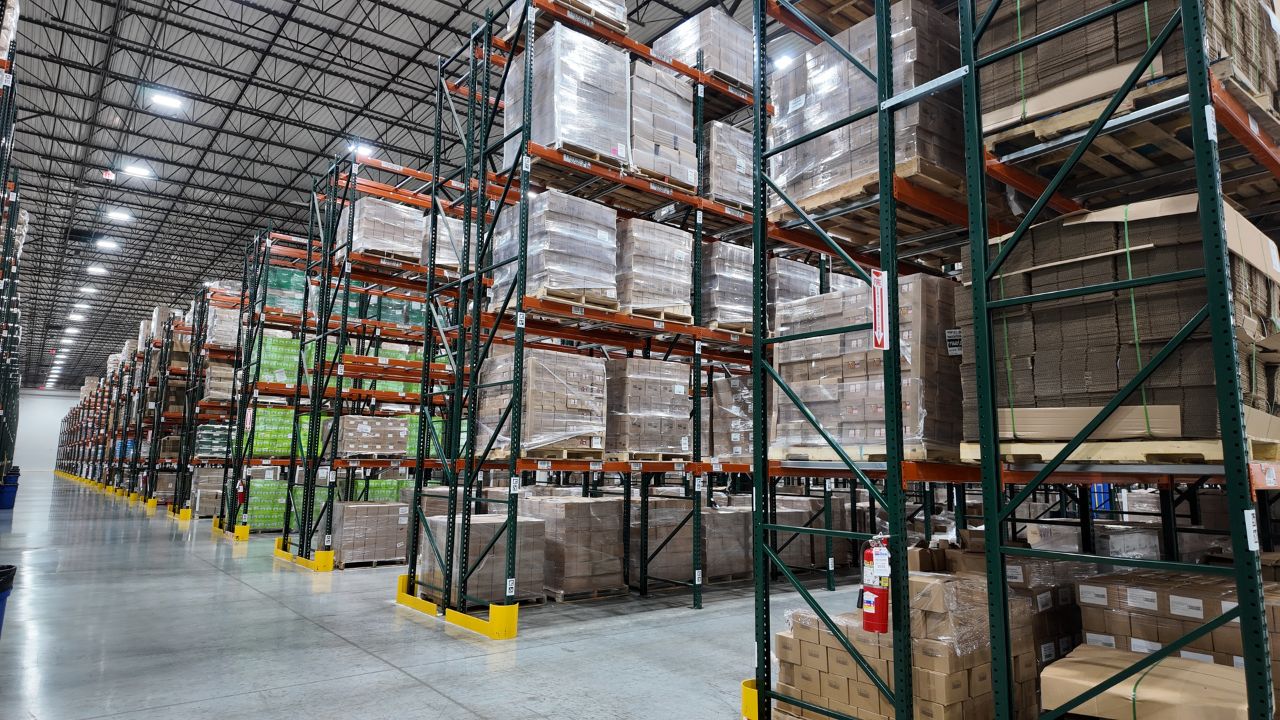
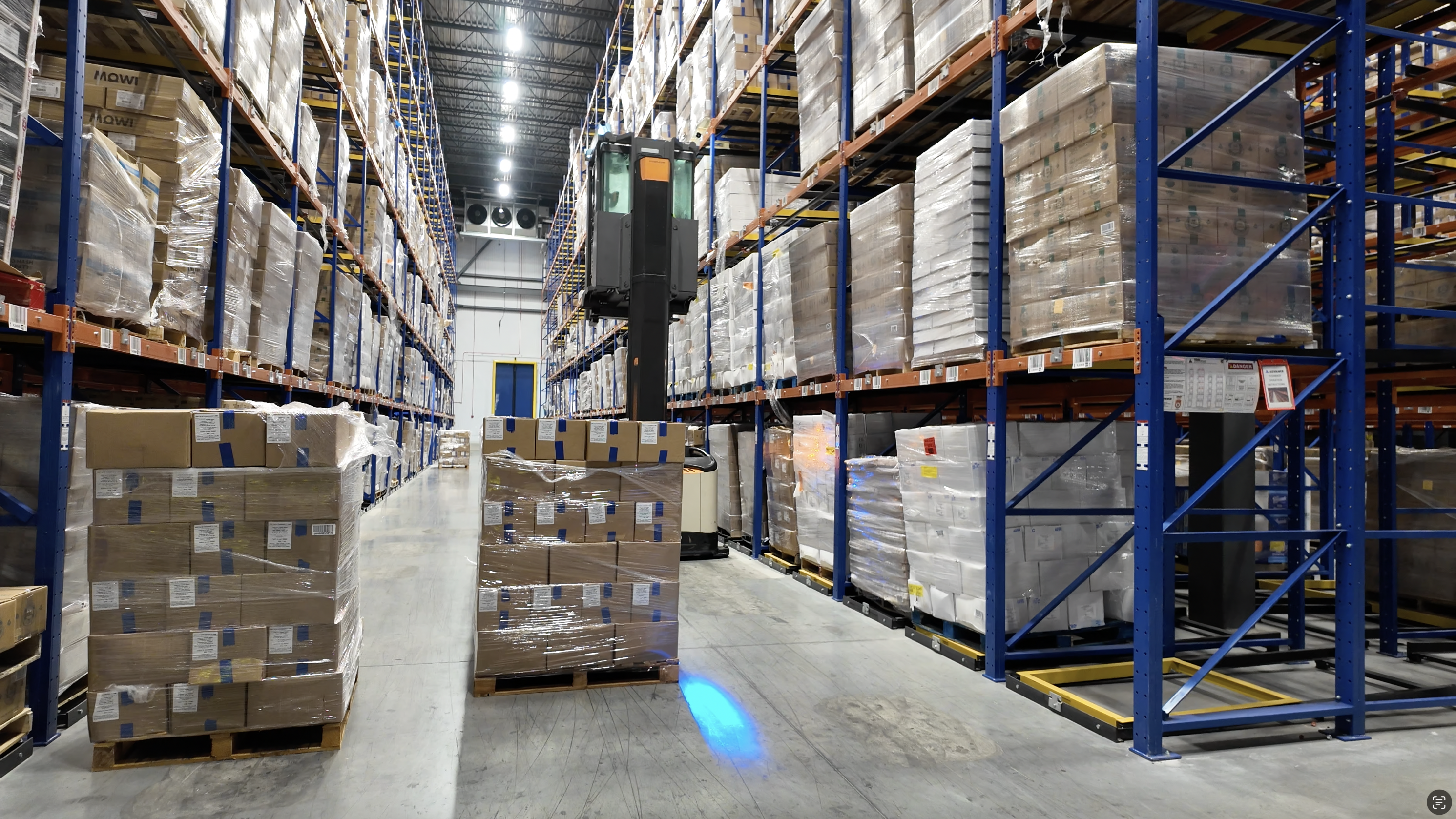
Food Grade Warehousing
SQF-certified food grade storage and distribution for food, beverage and CPG brands, with lot tracking, expiration-date control and FIFO or FEFO rotation.
What Is a Food Grade Warehouse?
A food grade warehouse is a storage facility that protects food, beverages, ingredients and food-contact packaging through documented sanitation, pest control, allergen and temperature controls verified by third-party audits.
Taylor provides:
- SQF-certified, FDA-registered storage
- Lot and expiration-date tracking
- FIFO or FEFO rotation
- Recall-ready traceability
- Retail compliance
- B2B and direct to consumer fulfillment
- Public warehousing · TWC
- Shared food grade space
- Contract warehousing · TLI
- Dedicated operations
Food Grade Storage at a Glance
Products we store
- Shelf-stable food and ingredients
- Beverages
- Pet food
- Food-contact packaging
- Refrigerated and frozen food at MICSF
Product acceptance is confirmed by facility during review.
Warehouse locations
- Cincinnati food grade warehousing · Ohio
- Maine International Cold Storage Facility · Portland, Maine
- Additional facilities in Ohio, Pennsylvania and Georgia
Public vs. dedicated warehousing
- Public warehousing
- Shared food grade space through Taylor Warehouse Corporation. Pay for the pallets and handling you use.
- Dedicated warehousing
- An operation built and run for your business through Taylor Logistics contract warehousing.
Information needed for a quote
- Products, SKU count and pallet configuration
- Average and peak pallets on hand
- Inbound and outbound volume and frequency
- Shelf-life and rotation rules
- Destinations and retail requirements
- Target start date
Where Does Taylor Offer Food Grade Storage?
Food grade storage runs from our Ohio facilities, with refrigerated and frozen storage in Portland, Maine.

What Is It Like to Work With Taylor?
We work with Fortune 500 companies and fast-growth brands, helping improve profitability across pricing, purchasing, operations, transportation and the cost of serving customers.
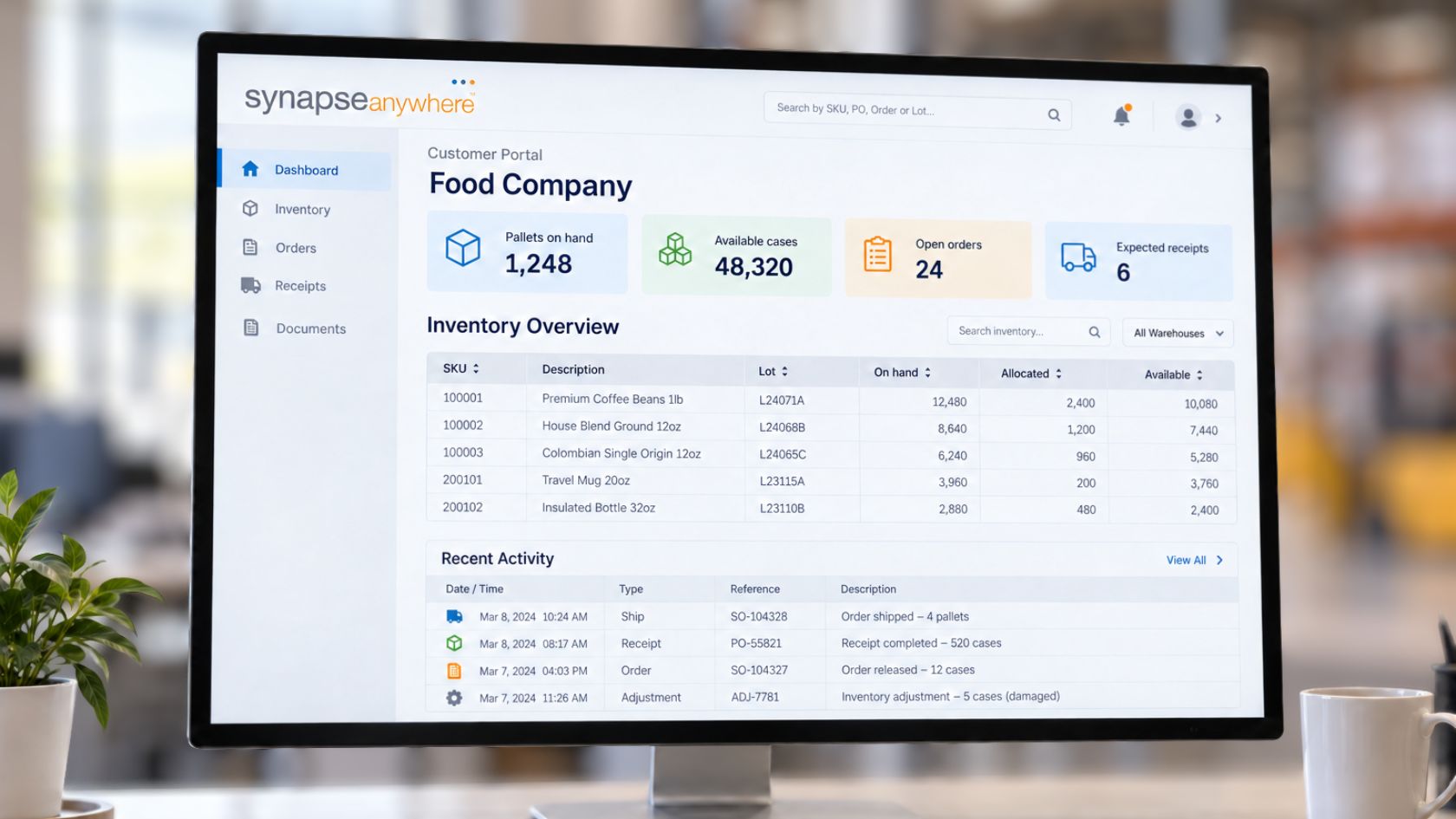
Direct access to your team
A named account team close to the warehouse floor, usually replying within a couple of hours.
Inventory visibility
Inventory, lot data and order status in our WMS portal, plus EDI and API integrations.
Onboarding support
One team takes you from the requirements call through go-live and the first performance reviews.
Transportation coordination
Inbound and outbound freight planned with the warehouse through our freight brokerage and dedicated fleet.
How onboarding works
- 01Requirements call
- 02Facility tour and audit review
- 03Setup and integration
- 04Go-live and review
What Results Has Taylor Delivered for Food Brands?
Measured results from Taylor programs. Customer names are withheld.
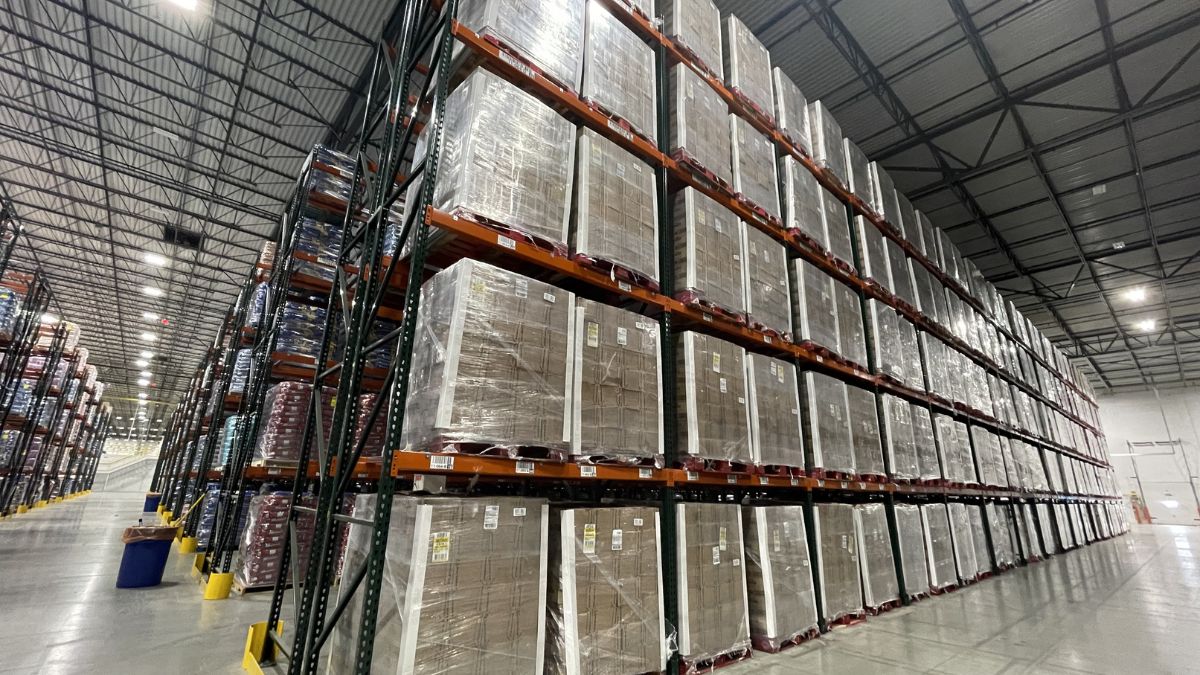
Frozen food growth without new capital
MICSF became the dedicated cold storage and distribution arm, with EDI from ordering through shipment.
Results reflect specific customer requirements, volumes and operating conditions.
What Makes a Food Grade Storage Warehouse?
A building becomes food grade through the programs that run inside it.
Our food safety programs are written, trained and checked every day, so audits confirm what already happens on the floor.

Sanitation programs
Master sanitation schedules with documented cleaning of floors, racking, docks and equipment.
Pest control
Licensed provider, mapped monitoring devices and trend reports reviewed with each audit.
Audit readiness
Records, training logs and corrective actions kept current for scheduled and unannounced audits.
Allergen segregation
Allergen items identified at receiving and stored in designated locations to prevent cross-contact.
Temperature monitoring
Monitors in every ambient facility, with readings recorded so conditions can be shown at any time.
Clean and dry storage
Sealed buildings, intact pallets and product kept off the floor and away from walls for inspection.
Our Food Grade Warehousing Capabilities
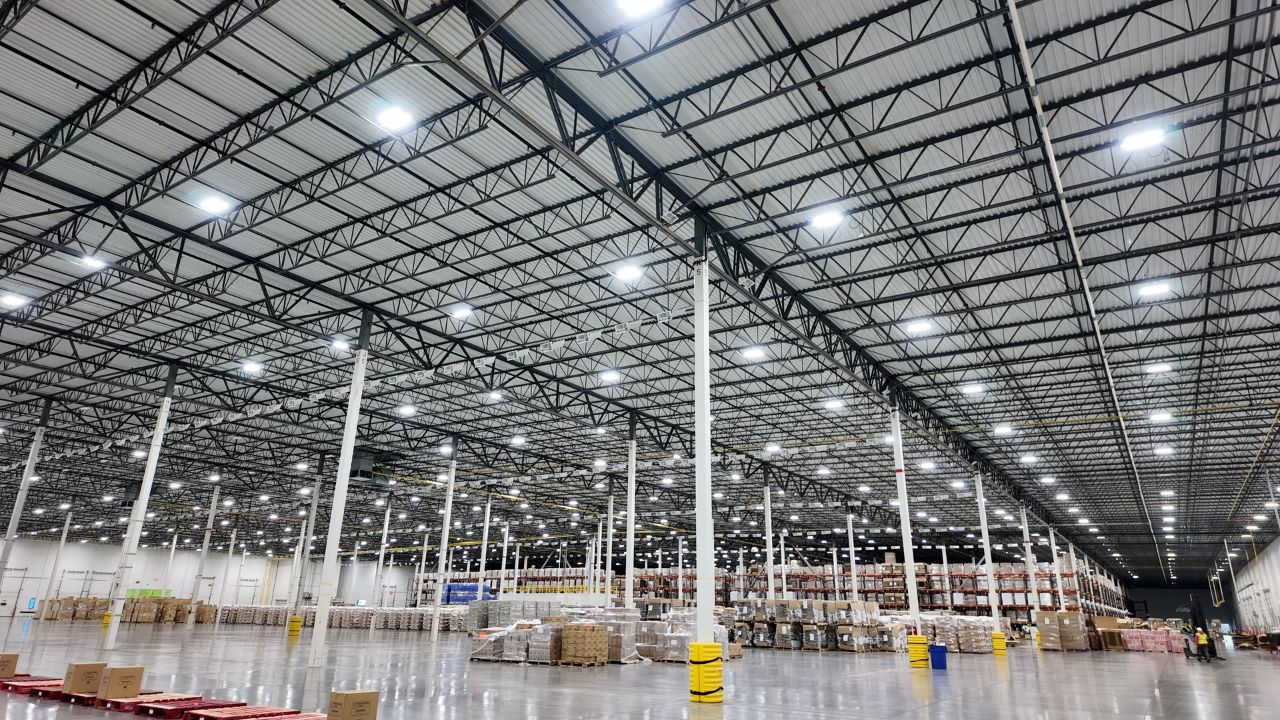
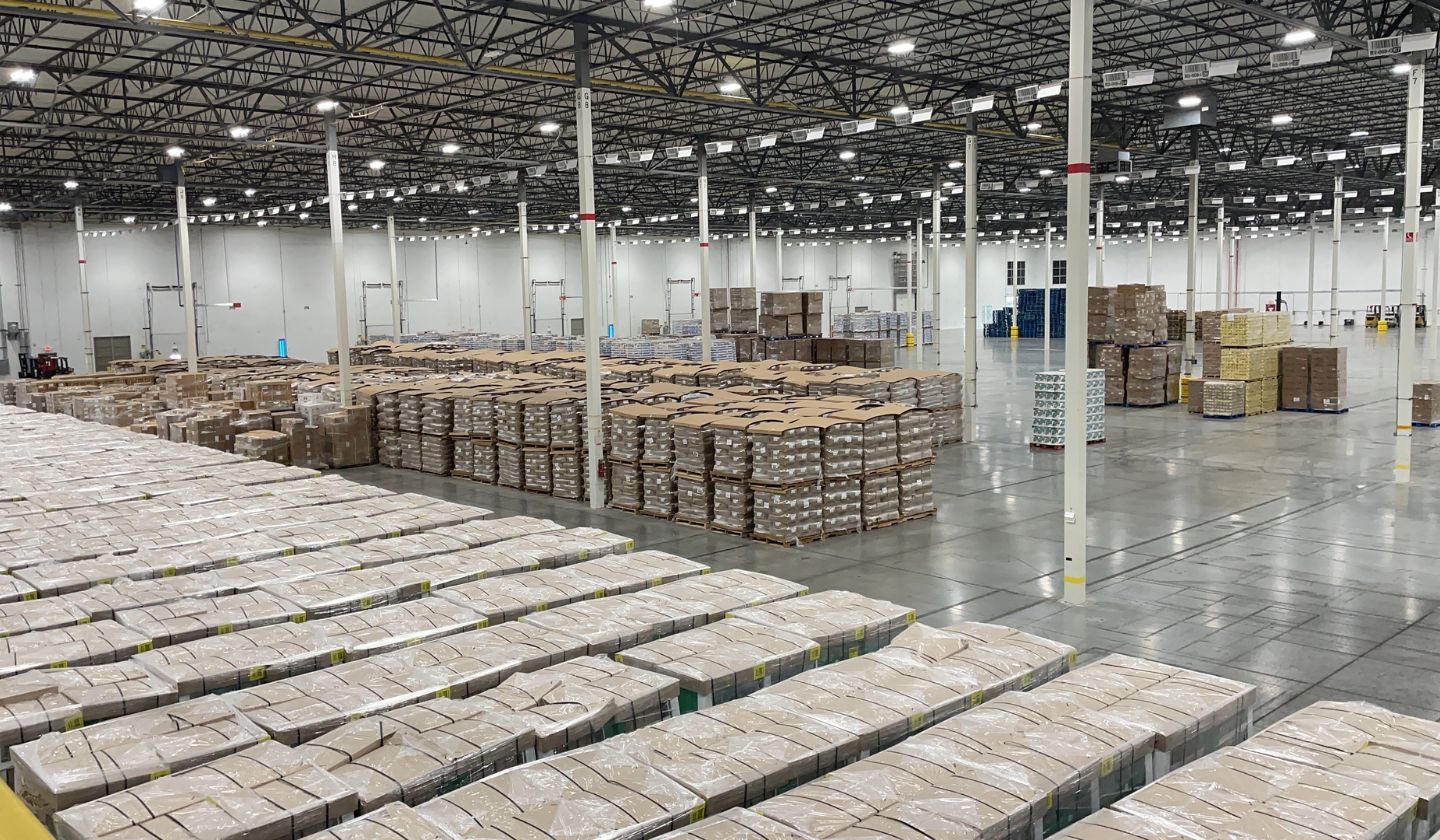
Storage, inventory control, compliance and fulfillment run by one team in the same building.
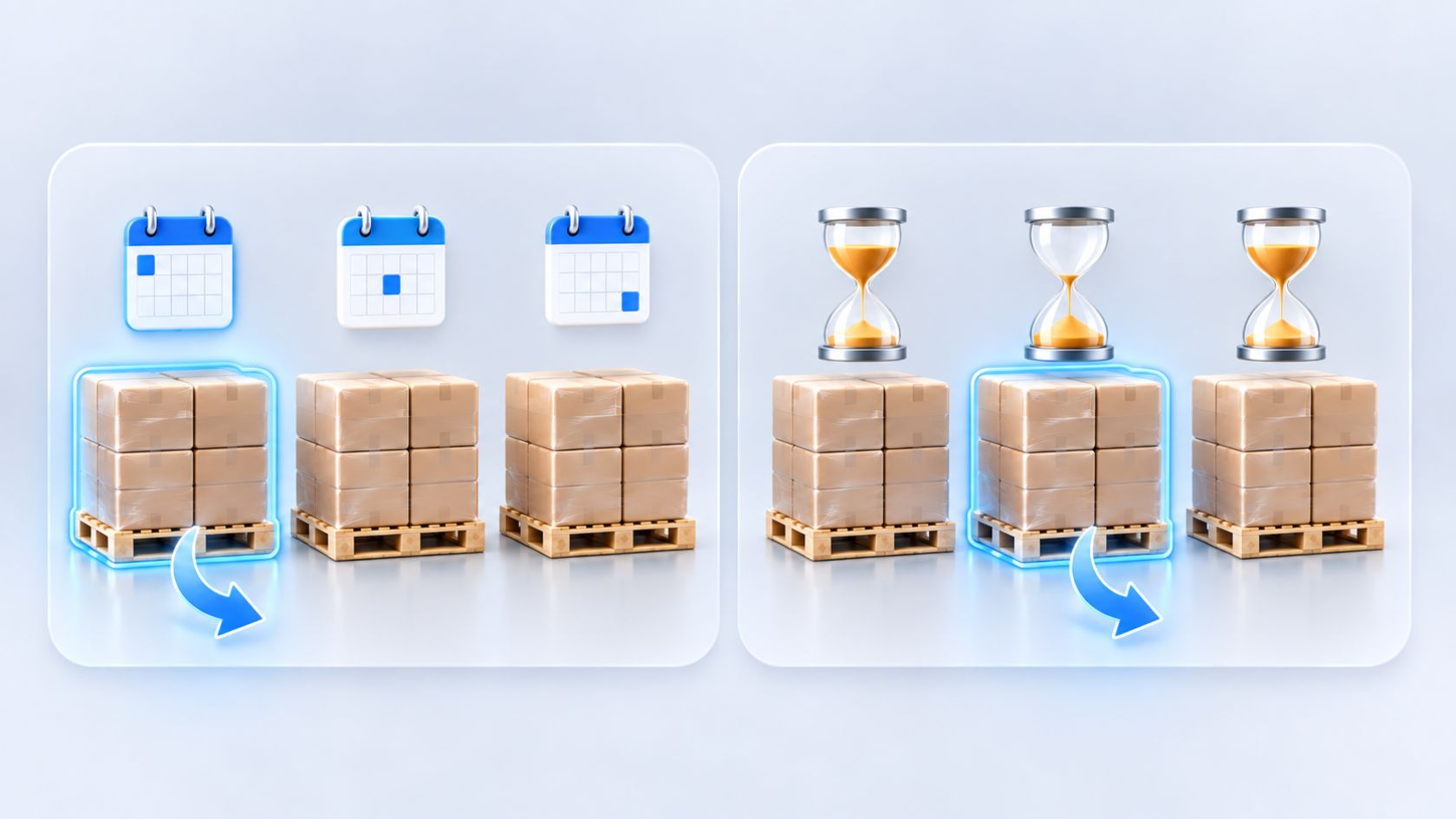
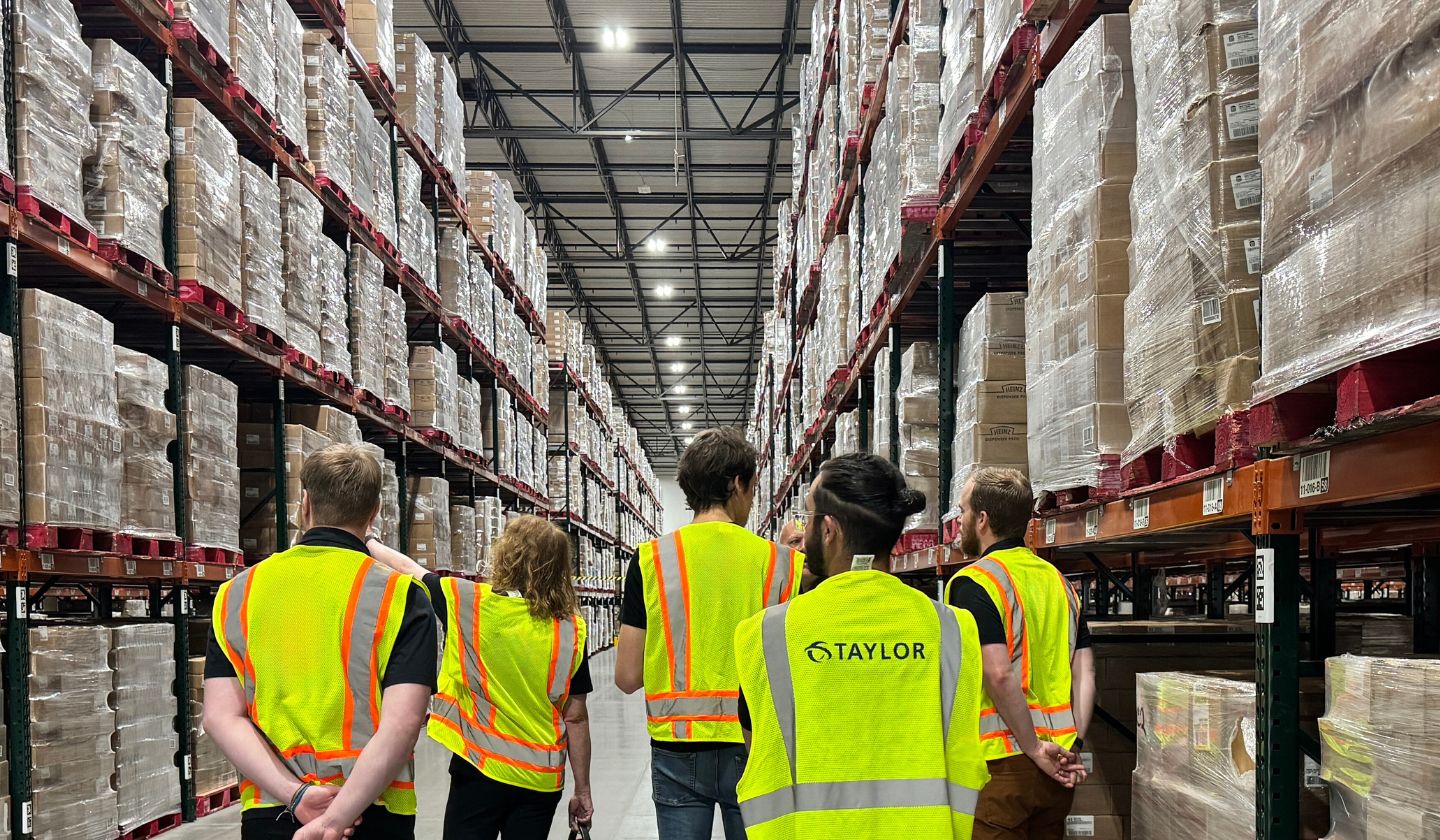
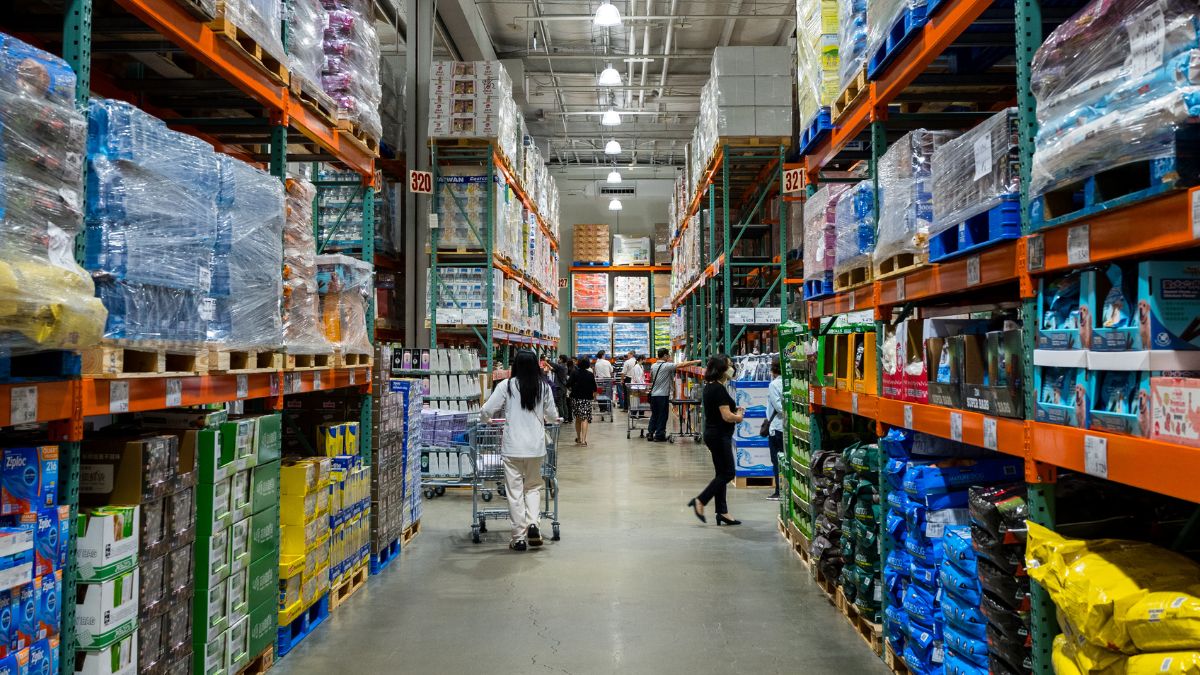

FIFO and FEFO Rotation, Explained
We set the rotation rule by item. Most shelf-stable product ships FIFO. Date-sensitive product ships FEFO.


Certified and Audited Food Grade Facilities
Taylor’s food grade facilities hold SQF certification and FDA food facility registration. Current facility certificates are available on request.
Learn how the program works on our food safety page, or request current facility certificates.
- SQFCertification · Safe Quality Food
- FDARegistration · U.S. food facility
- USDAMeets USDA requirements
- GFSIGFSI-benchmarked through SQF

Member of NFRANational Frozen & Refrigerated Foods Association
Inside our SQF program
16 program areas, each under document control- Allergen control
- Business continuity
- Foreign material control
- Good distribution practices
- Inbound shipments
- Maintenance
- Management structure and support
- Non-conforming product
- Outbound shipments
- Pest management
- Sanitation practices
- Customer and supplier approval
- Training
- Waste control
- HACCP
- Value-added services
- 01
Allergen control
Allergen registries, identity preserved foods and allergen storage work instructions.
- 02
Business continuity
Crisis management, food defense, food fraud, recall and traceability programs.
- 03
Foreign material control
Foreign material and broken glass procedures with incident reporting.
- 04
Good distribution practices
Storage practices, inventory rotation, calibration, odor control and personal hygiene.
- 05
Inbound shipments
Inbound inspection, returns and receiving documentation.
- 06
Maintenance
Maintenance program, contractor practices and master maintenance schedules.
- 07
Management structure and support
Document control, internal audits, the food safety team and regulatory currency.
- 08
Non-conforming product
Corrective and preventive actions, root cause analysis, product holds and complaints.
- 09
Outbound shipments
Order filling, outbound and trailer inspection, container loading and positive release.
- 10
Pest management
Bait stations, light and pheromone traps, pesticide controls and pest control maps.
- 11
Sanitation practices
Chemical control, sanitation program and weekly and monthly cleaning schedules.
- 12
Customer and supplier approval
Contract service provider requirements and supplier approval.
- 13
Training
Food safety training with records kept for every team member.
- 14
Waste control
Waste control procedures and certified disposal.
- 15
HACCP
Hazard analysis and critical control points plan for the operation.
- 16
Value-added services
Kitting, packaging and e-commerce quality checks.
Food Grade Warehouse or Cold Storage?
Cold storage that holds food must be food grade, but most food grade product does not need refrigeration.
For refrigerated and frozen product we offer cold storage in Portland, Maine.
Food Grade Warehousing FAQs
Direct answers to the questions supply chain, quality and operations teams ask when choosing a food grade warehouse.
What is the difference between food grade storage and cold storage?
Cold storage adds refrigerated or frozen temperatures to the same food safety controls. Taylor stores ambient food grade product with temperature monitoring across our network, and our Maine International Cold Storage Facility in Portland, Maine stores product at 35°F and -10°F.
What certifications does Taylor hold for food grade warehousing?
Taylor’s food grade facilities hold SQF certification and FDA food facility registration. SQF is a GFSI-benchmarked standard. Some partners also ask about AIB International inspections, and current facility certificates are available on request.
How much does food grade warehousing cost?
Food grade warehousing is usually priced per pallet for storage, plus handling fees for receiving and shipping. Volume, storage time, order profile and any fulfillment or value-added work all affect the rate. See how rates are built in our 3PL pricing guide.
What products can you store in a food grade warehouse?
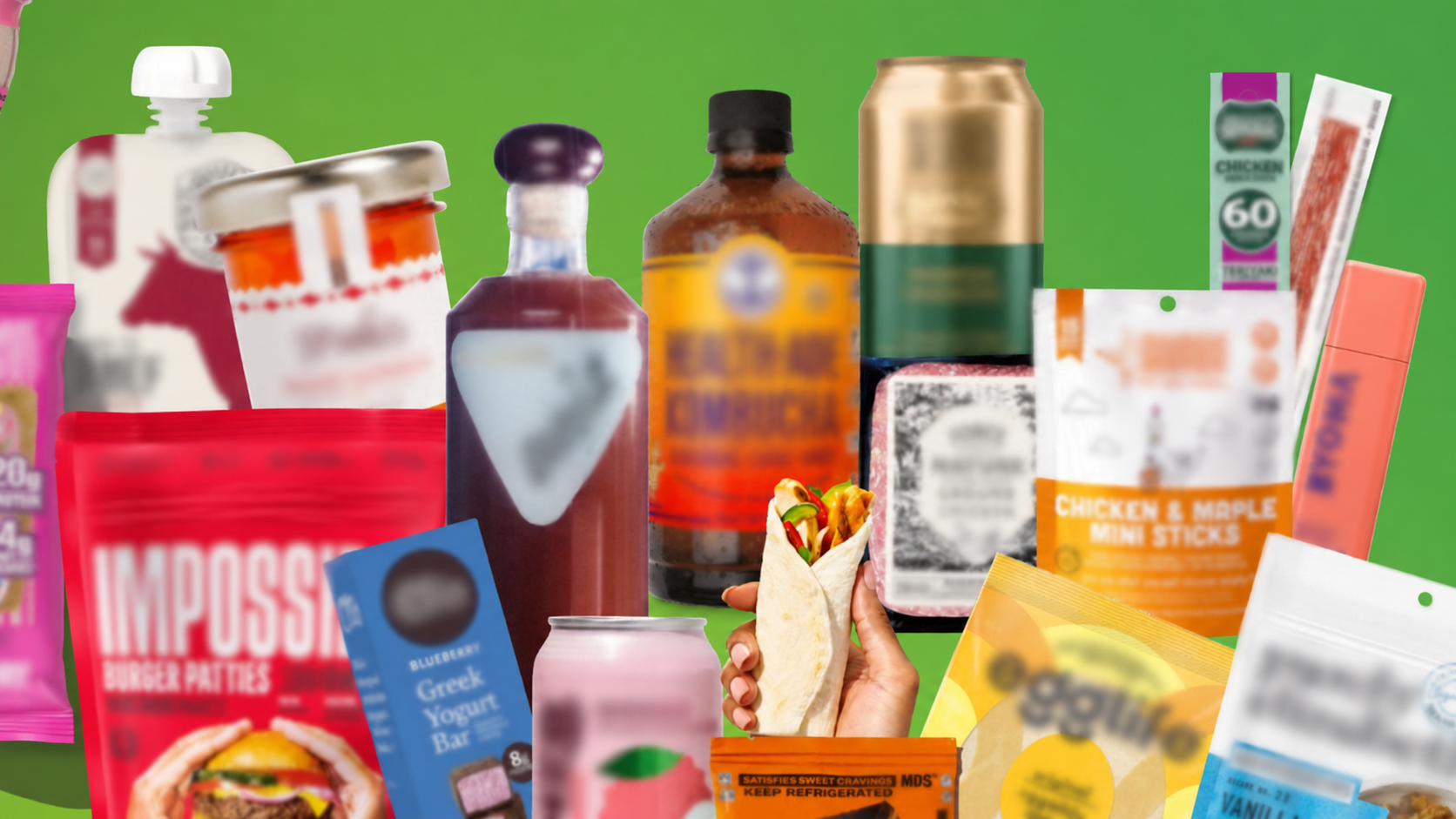
We store shelf-stable food, beverages, ingredients, pet food and food-contact packaging in ambient space, with refrigerated and frozen product at MICSF. Compatible non-food items can share a building when kept separate, and chemicals are segregated from food.
Is there a minimum volume for food grade storage?
Minimums depend on the facility and whether you need public or dedicated warehousing. Taylor supports programs from 500 to 500,000 pallets a year, and our team confirms any minimum during the first call.
How soon can food grade warehouse space be available?
Availability depends on the facility, your pallet count and your start date. Share your volume and timing and we will confirm open space at the right location.
Can you integrate with our ERP or order systems?
Yes. Taylor connects to ERP and order systems through EDI and API, and partners see inventory, orders and lot data in our WMS customer portal.
How do you manage shelf-life requirements?
We set shelf-life rules by item, including FEFO picking and the minimum remaining shelf life required at shipping. Lot and expiration dates are captured at receiving so short-dated product is flagged before it ships.
How are allergens handled in a food grade warehouse?
Allergen-containing items are identified at receiving, stored in designated locations and handled under written procedures that prevent cross-contact with other product.
How does lot tracking support a recall?
Every pallet is received and shipped by lot. When a recall happens we can find where affected product is stored, place it on hold and report which orders it shipped on.
What should I look for in a food grade 3PL partner?
Look for current certifications, lot and date control, allergen procedures, retail compliance experience and system integration. Our guide covers what to look for in a CPG 3PL partner.
Looking for a Food Grade Warehouse Partner?
Tell us what you store, where it needs to go and when you need to start.
- 01A Taylor team member reviews your details and replies, usually within a couple of hours.
- 02We confirm product fit, the right facility and available space.
- 03You receive pricing and an invitation to tour the facility.