
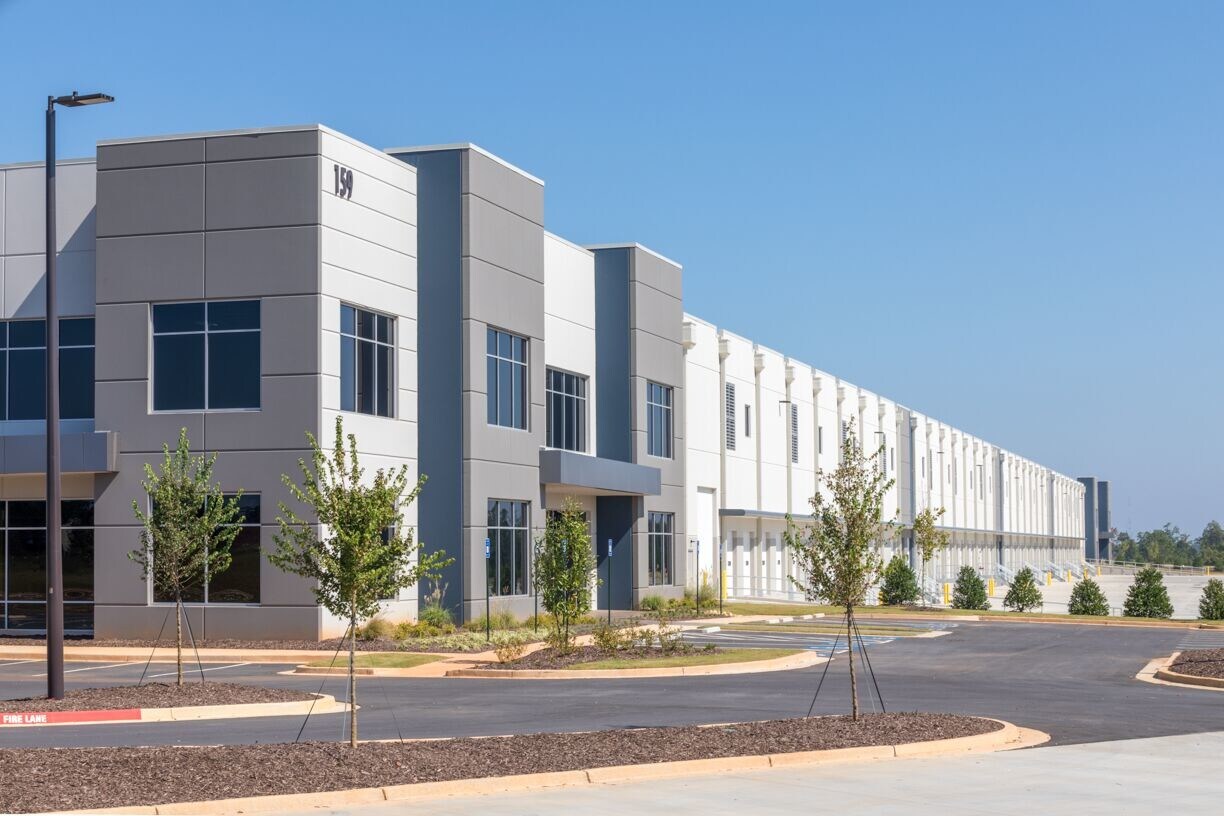
Dedicated operations Enterprise brands Since 1850
Contract & Dedicated Warehousing
Dedicated warehouse operations run by Taylor for enterprise brands, on our WMS or yours, with food safety programs and integrated freight. We evaluate and develop dedicated operations in locations that meet your requirements.
- Warehousing network
- 3M+ sq ft
- Facilities
- 07
- Family-owned since
- 1850
- Years with one Fortune 100 partner
- 10+
What Is Contract Warehousing?
Last updated
Contract warehousing is a long-term agreement in which a 3PL operates a warehouse dedicated to one company, with reserved space, a dedicated team and processes built around that company’s products and customers. Taylor Logistics Inc. provides contract warehousing services for enterprise brands and evaluates and develops dedicated operations in locations that meet each customer’s requirements, subject to project fit and site availability. We have run this model for one Fortune 100 company for more than 10 years.
Moving an existing operation? See our dedicated warehouse implementation guide.
Dedicated facility or operation
Space, team and equipment reserved for one company.
Multi-year agreement
Scope, service levels and pricing set in the contract.
Processes built for you
Configured around your products, customers and compliance.
Operated by Taylor
You keep control of the network without running the building.
Contract Warehousing Services We Provide
One team, quote to go-live.
A contract warehouse with Taylor includes the operation, the people, the technology and the connections to transportation.
Dedicated warehouse operations
Receiving, putaway, storage, replenishment and shipping run by a Taylor team assigned to your operation.
Food and beverage, CPG, automotive and industrial
B2B and DTC fulfillment
Pallet, case and each picking for retail, distributor and direct-to-consumer orders.
Food-grade processes
SQF certification at certified Taylor facilities and FDA registration where the facility and products require it, with lot tracking and FEFO rotation.
Retail compliance
Labeling, routing guide and EDI requirements built into the operation.
Value-added services
Kitting, labeling, repacking and display builds inside the same facility.
Integrated freight
Taylor Logistics Inc. brokerage and the Taylor Distributing Co. dedicated fleet connect warehouse and transportation.
Contract Warehousing vs. Public Warehousing
Dedicated space, people and processes for one company.
Contract warehousing dedicates an operation to one company under a longer agreement. Public warehousing shares space and labor on flexible terms.
Need flexible space instead? See public warehousing.
| Compare | Contract | Public |
|---|---|---|
| Space | Dedicated facility or defined operation | Shared space in a Taylor facility |
| Team | Assigned to your operation | Shared across accounts |
| Agreement | Multi-year, set by scope, facility commitment and investment | Flexible, often month to month |
| Pricing | Management fee, cost-plus or fixed and variable | Per pallet storage plus handling |
| Best for | Steady, large volume with specific processes | Variable volume or new markets |
When Should a Company Consider Contract Warehousing?
Contract warehousing fits when the operation is large and steady enough to justify dedicated space and people.
Volume is steady and large
Enough sustained volume to fill a dedicated building or operation.
Processes are specific
Products, customers or retailers need configured handling and compliance.
Costs need to be predictable
A multi-year agreement with defined rates supports budgeting.
You want control without operating
Keep visibility and decisions without hiring and running a warehouse team.
10+ Years Running a Dedicated Warehouse for a Fortune 100 Company
In 2026, Taylor marks more than 10 years operating a dedicated facility for one Fortune 100 company. Over that time, the work has expanded from warehouse operations into pricing, purchasing, transportation and technology.
What Taylor has helped the customer do
- Improve profitability across pricing, purchasing, operations, transportation and cost to serve
- Implement new technology and automation
- Launch new product lines and reach new markets
- Add transportation support alongside warehouse operations
Taylor’s responsibilities
- Site leadership and staffing
- Receiving, storage and shipping
- Inventory control and reporting
- Technology and automation projects
- Transportation support
- Continuous improvement
How Are Contract Warehouse Agreements Structured?
One dedicated operation. Multiple ways to structure it.
Taylor can lease and operate a facility, operate one you lease or operate one you own.
- 01
Taylor leases and operates
Taylor holds the facility lease under an agreed operating structure and runs the operation.
- 02
You lease, Taylor operates
You hold the lease and Taylor provides the team, technology and processes.
- 03
You own, Taylor operates
Taylor runs your owned facility under a management agreement. Equipment and racking investments are evaluated as part of the agreement.
How Does a Contract Warehouse Launch?
Six stages from first conversation to go-live. Timing is set during discovery based on facility readiness, staffing, inventory and integrations.
- 01
Discovery
Volumes, products, customers, systems and requirements.
- 02
Operating design
Layout, processes, service levels and the operating model.
- 03
Staffing
Site leadership, hiring and training.
- 04
Integration
WMS setup and EDI or API connections to your systems.
- 05
Testing
Systems, labels, orders and reporting tested before launch.
- 06
Launch
Go-live with stabilization support and daily review.
How We Manage Your Operation
After launch, a dedicated team runs the operation against agreed measures, reports on them and works with you to improve.
Dedicated site leadership
A Taylor site leader and named customer contacts for daily operations and account management.
Agreed service levels
Service levels and performance measures defined in the agreement before launch.
Accuracy and shipping performance
Inventory accuracy, order accuracy and on-time shipping tracked against targets.
Reporting and business reviews
An agreed reporting cadence, with regular business reviews of performance, cost and plans.
Staffing for peaks
Staffing and schedules adjusted with your forecasts, including flexible labor when needed.
Escalation and corrective action
A defined escalation path, root cause review and documented corrective action.
Where Does Taylor Offer Contract Warehousing?
Taylor’s existing network and new dedicated projects are separate options. Available dedicated capacity in existing facilities varies by site.

Operations in a current Taylor facility
The sites listed above are Taylor’s current network. Whether a site has dedicated capacity available depends on timing and your space requirements, and our team will confirm current availability.
A dedicated operation where you need it
Taylor evaluates and develops dedicated operations in locations that meet your requirements, subject to project fit and site availability. The building can be one Taylor leases, one you lease or one you own.
Contract Warehouse Technology and Integrations
Your technology, Taylor’s technology or a combination.
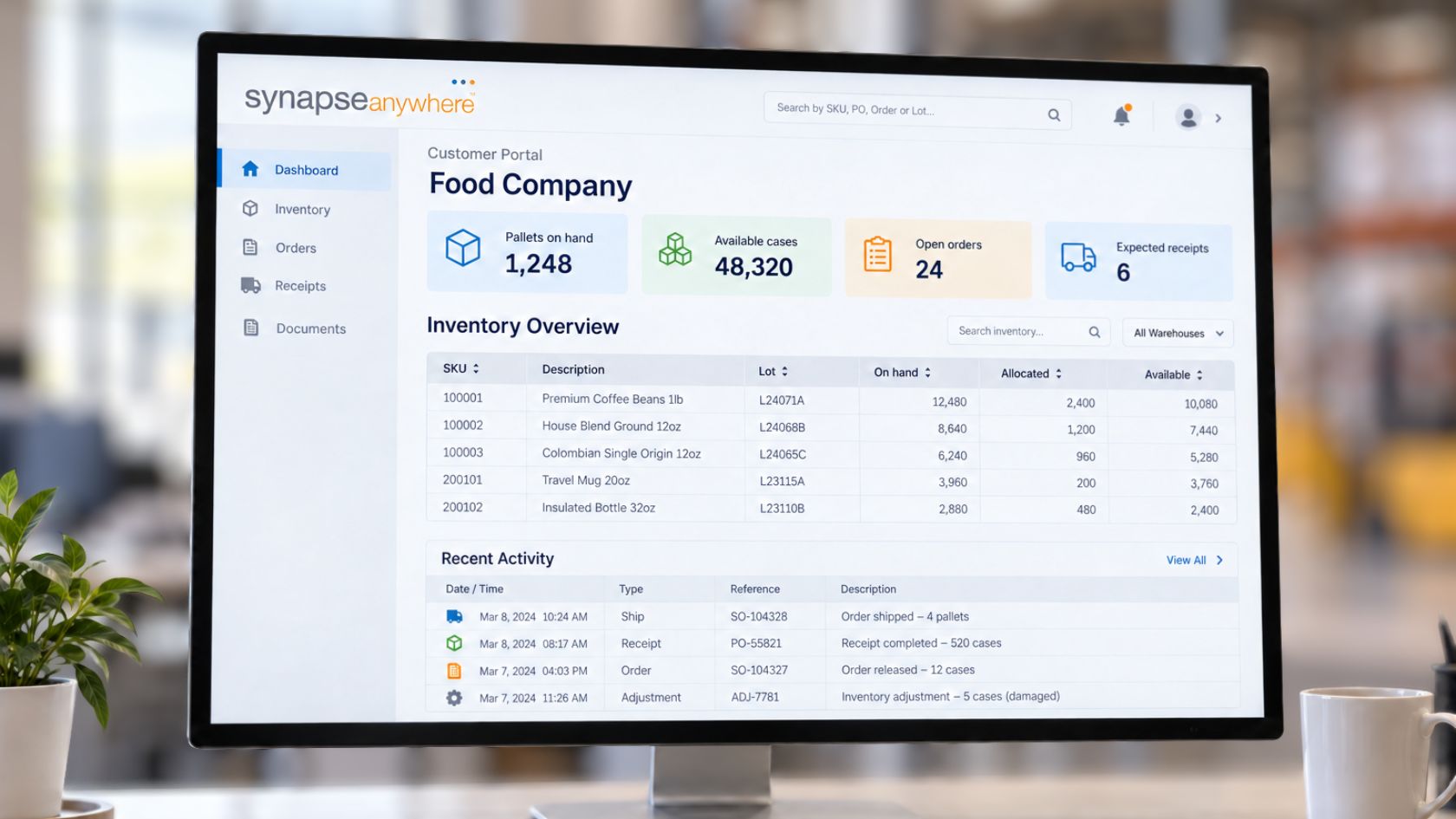
Taylor can run the operation on our WMS or on yours, and either way we connect to your ERP, order and transportation systems through EDI and API.
- Taylor WMS or yours
- SynapseWMS
- Customer portal
- EDI
- API
- Lot and expiration tracking
- Reporting
How to Choose a Contract Warehousing Company
Questions worth asking before you sign.
Operating experience
Dedicated operations of similar size and complexity, with references. Taylor has run a dedicated operation for one Fortune 100 company for more than 10 years.
Footprint
Ability to open a dedicated facility where your customers and plants are, not only in existing buildings.
Technology
WMS, integrations and visibility that fit your systems.
Compliance
Food safety, retailer and regulatory programs your products require.
Transportation
Freight options connected to the warehouse.
Agreement terms
Clear scope, service levels, pricing model and change process.
Contract Warehousing Costs and Pricing Models
Contract warehousing is usually priced as a management fee, cost-plus, fixed and variable rates or a combination.
The proposal identifies included services, assumptions and how scope changes are handled.
What determines the cost
- Facility and lease terms
- Labor and staffing model
- Equipment and racking
- Technology and integrations
- Volume and order profile
- Service levels and reporting
Related: sustainability and near-plant warehousing.
Contract Warehousing FAQs
Direct answers for supply chain, finance and procurement teams evaluating contract warehousing.
What is contract warehousing?
Contract warehousing is a long-term agreement in which a 3PL operates a warehouse dedicated to one company, with reserved space, a dedicated team and processes built around that company’s products and customers. Pricing and service levels are set in the agreement.
What is the difference between contract and public warehousing?
Public warehousing shares space, labor and equipment across many companies on flexible terms. Contract warehousing dedicates a facility or defined operation to one company under a longer agreement, with processes and staffing configured for that business.
When should a company consider contract warehousing?
Contract warehousing makes sense when volume is steady and large enough to fill a dedicated operation, when products or customers need specific processes or compliance and when a company wants predictable costs without running the warehouse itself.
How much does contract warehousing cost?
Contract warehousing is usually priced as a management fee, cost-plus, fixed and variable rates or a combination. Cost depends on the facility, labor, equipment, technology, volume and service levels defined in the agreement.
How long is a contract warehousing agreement?
Contract warehousing agreements are multi-year, and the term depends on the scope, facility commitment and investment. The agreement defines scope, service levels, pricing and how changes are handled.
Can Taylor operate a warehouse we already own or lease?
Yes. Taylor can operate a customer-owned or leased facility, bringing our team, warehouse management technology, inventory controls and operating processes.
Can we keep our own WMS?
Yes. Taylor can run SynapseWMS, work in your WMS or use a combination, with EDI and API connections to your ERP and order systems.
How long does it take to start a contract warehouse?
Timing depends on whether the operation starts in an existing Taylor facility, an existing customer facility or a new site. WMS setup, facility readiness, staffing and inventory transfer timelines are confirmed during discovery.
Where does Taylor offer contract warehousing?
Taylor operates in the Cincinnati area (Cincinnati, West Chester and Monroe, Ohio), Eastern Pennsylvania (Jessup), McDonough, Georgia and Portland, Maine, and can evaluate and develop dedicated operations in locations that meet your requirements, subject to project fit and site availability.
Can Taylor take over an operating warehouse without interrupting shipments?
Yes. Taylor has transitioned active warehouse operations many times. We work with your team to plan the handoff, coordinate staffing and systems, and maintain receiving and shipping throughout the transition.
How are seasonal peaks and changes in volume handled?
Taylor works closely with your team on forecasts to prepare for seasonal peaks and changes in demand. We proactively adjust staffing, schedules and resources, including flexible labor when needed, to support changing volumes and maintain service levels.
Who provides the equipment, racking and capital investment?
Taylor, the customer or both can provide equipment, racking and capital investment. Responsibilities are established during planning and documented in the agreement based on the facility, operating requirements and investment needs.
Request a Contract Warehousing Proposal
Tell us about your volume, products, locations and timing. A member of our team will follow up with questions and a proposal.
Helpful to include
- Products and industry
- Annual volume and order profile
- Preferred locations
- Current WMS and systems
- Operating model of interest
- Target start date