An integrated third-party logistics provider can coordinate container drayage, warehouse receiving, inventory management and outbound freight through one logistics relationship. For consumer packaged goods brands, the right partner depends on facility locations, product handling requirements, transportation coverage and visibility across those steps.
Taylor Logistics Inc., Saddle Creek Logistics Services, Kenco, NFI Industries, Ryder and GXO are six providers to consider. Their service models differ, so confirm which services are available for your specific facilities, ports, rail ramps and freight lanes.
This guide is published by Taylor Logistics Inc. It compares publicly described capabilities to help consumer goods brands build a shortlist. It is not an independent ranking or a scored performance study.
Quick comparison of six 3PL providers
Use this comparison to identify providers worth a closer conversation. The potential fits below are editorial assessments based on each company’s published services, not guarantees of suitability.
| Provider | Published service focus | What to confirm |
|---|---|---|
| Taylor Logistics Inc. | Warehousing, drayage, transloading and freight brokerage | Facility availability and port or rail coverage |
| Saddle Creek | Warehousing, fulfillment and transportation | Brokerage and drayage scope for your program |
| Kenco | Warehousing, freight brokerage and transportation management | Drayage execution and dedicated capacity |
| NFI Industries | Distribution, port services, dedicated transportation and brokerage | Port coverage and facility requirements |
| Ryder | Warehousing, drayage, brokerage and transportation management | Network design and service commitments |
| GXO | Contract logistics and managed transportation | Regional availability and brokerage arrangements |
What are warehousing, drayage and freight brokerage?
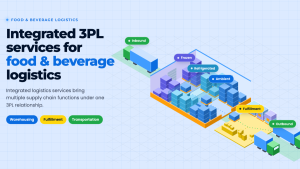
Warehousing stores and manages inventory. Drayage moves shipping containers between ports, rail terminals and nearby facilities. Freight brokerage arranges transportation with motor carriers. A 3PL may combine these services with transloading, fulfillment and transportation management to coordinate inbound and outbound product flow.
For example, a consumer goods importer may need a container collected from a rail ramp, unloaded at a warehouse, entered into inventory by SKU and lot and shipped to retail distribution centers. Coordinating the receiving appointment with the container move can help prevent missed handoffs and unnecessary waiting.
An integrated service agreement should define who handles each step, which systems record milestones and who resolves exceptions. One provider relationship does not automatically mean one software platform or one legal operating entity.
- Warehousing: stores and manages inventory by SKU, lot and location.
- Drayage: moves containers between ports, rail terminals and nearby facilities.
- Freight brokerage: arranges transportation with motor carriers.
- Transloading: transfers freight from one transport unit to another.
- Fulfillment: picks, packs and ships customer orders.
- Transportation management: plans, tracks and reports on freight moves.
Six 3PL providers for consumer goods brands
1. Taylor Logistics Inc.
Taylor Logistics Inc. offers warehousing, drayage and transloading, freight brokerage, fulfillment and value-added services. Its network includes seven facilities and more than 3 million square feet across Ohio, Pennsylvania, Georgia and Maine. The Maine International Cold Storage Facility in Portland supports frozen and refrigerated warehousing.
Taylor Logistics Inc. is part of Taylor Legacy Group, which also includes Taylor Distributing Co. (asset-based fleet) and Taylor Warehouse Corp. (public warehousing and storage). Ask which Taylor entity will appear in your agreement for each service.
Taylor uses SynapseWMS by Made4Net for warehouse management and Revenova TMS for transportation management. Its published technology capabilities include EDI and API integration, customer portals and Gather AI inventory drones. Taylor reports 99.9% bin-level inventory accuracy on its technology page; ask how that measure applies to the facility and program under consideration.
For food and consumer goods programs, Taylor’s warehousing capabilities include lot and expiration controls, FIFO and FEFO rotation and inventory visibility. These functions help teams manage product age and traceability alongside distribution requirements.
2. Saddle Creek Logistics Services
Saddle Creek offers warehousing, fulfillment and transportation through a network of facilities across the United States. Its published locations span multiple distribution markets, making it a provider to evaluate when inventory needs to sit closer to several customer regions.
3. Kenco
Kenco provides warehousing and distribution alongside freight brokerage and transportation management. Its brokerage page lists truckload, less-than-truckload, intermodal, drayage and other modes. Kenco also offers dedicated contract carriage, so buyers should evaluate the operating model proposed for each lane rather than assume all capacity is brokerage based.
4. NFI Industries
NFI’s published services include distribution, dedicated transportation, port services, freight brokerage, transportation management and intermodal. Its drayage offering makes it a provider to consider when port access and container movement are central to the distribution plan.
5. Ryder
Ryder offers drayage, warehousing, freight brokerage and broader transportation services. Its drayage offering includes major ports and rail ramps, transloading, cross-docking, container tracking and access to private chassis pools.
6. GXO Logistics
GXO offers managed transportation that can integrate with warehouse operations. Its published capabilities include carrier selection and execution across truckload, less-than-truckload, intermodal and drayage, with dedicated fleet and parcel carrier management where available.
How to choose a 3PL for warehousing and transportation
Choose a 3PL by testing its proposed operation against your actual inventory, container volumes, customer locations and delivery requirements. A national service list is only a starting point. Ask each provider to explain how your freight would move through a specific facility and transportation network.
-
01
Start with facility and lane fit
Share your ports and rail ramps, inbound container volumes, warehouse inventory levels, order profile and delivery destinations. Compare the complete route from container arrival through customer delivery. A lower storage rate may be offset by longer drayage or outbound transportation distances.
-
02
Verify product handling and food safety requirements
For food, beverage, pet food or temperature-sensitive products, request documentation for the exact facility proposed. Review relevant certification scope, storage conditions, lot traceability, expiration controls and recall procedures. Review Taylor’s food-grade warehousing capabilities when defining your storage and handling requirements.
FDA food facility registration is different from food safety certification. The FDA does not issue food facility registration certificates or recognize privately issued registration certificates. Use “FDA registered” accurately rather than describing a warehouse as “FDA certified.”
-
03
See the customer systems before signing
Request a demonstration using a realistic receipt, inventory inquiry, order and shipment. Ask what updates in real time, what depends on carrier feeds and how exceptions appear. Confirm EDI or API scope, testing responsibilities, costs and milestones before agreeing to a launch date.
-
04
Compare total operating cost
Request separate pricing for drayage, fuel, chassis, transloading, receiving, storage, picking, outbound freight and accessorial charges. Ask how container delays, detention, demurrage, minimum commitments and seasonal volume changes affect the quote. Taylor’s guide to 3PL pricing and costs explains common charges to review when comparing proposals.
-
05
Set measurable service expectations
Agree on receiving turnaround, inventory accuracy, order accuracy, on-time shipping and exception response times. Define how each metric is calculated, who reports it and how corrective actions will be managed.
Why consider Taylor for an integrated 3PL program
Taylor brings warehousing, drayage, transloading and freight brokerage into a coordinated service offering. For consumer goods brands, the next step is to match those capabilities to a practical plan for inbound freight, inventory control and customer delivery.
Share these details and Taylor’s team can discuss facility fit and the services your program requires:
- Product categories
- Monthly pallet and container volumes
- Inbound origins
- Outbound destinations
- Storage temperatures
- Target start date
Frequently asked questions
Can one 3PL handle warehousing, drayage and freight brokerage?
Yes. Some 3PLs coordinate all three through one service relationship. Confirm which services are operated directly, which use carrier partners and which legal entities appear in the agreement. Also confirm coverage for your specific ports, rail ramps, facilities and outbound lanes.
What is the difference between drayage and transloading?
Drayage is the transportation of a shipping container between a port or rail terminal and another nearby location. Transloading transfers freight from one transport unit to another, such as unloading an ocean container and loading its contents onto a domestic trailer.
What is the difference between an asset-based 3PL and a freight broker?
An asset-based 3PL operates physical resources such as trucks, trailers or warehouse facilities. A freight broker arranges transportation with carriers. Some logistics groups offer both models, allowing a program to combine operated capacity with capacity sourced from other carriers. Within Taylor Legacy Group, for example, Taylor Logistics Inc. provides freight brokerage and Taylor Distributing Co. operates an asset-based fleet.
Does integrated logistics reduce demurrage and detention?
Coordinating container availability, pickup, receiving and empty returns can help reduce avoidable delays. It does not guarantee that charges will be eliminated. Ask who monitors free time, authorizes appointments, manages exceptions and pays each charge under the agreement.
What should a consumer goods brand include in a 3PL quote request?
Include product types, SKU count, pallet inventory, monthly receipts and orders, container volumes, ports or rail ramps, delivery locations and seasonal peaks. Add temperature requirements, lot and expiration controls, retailer routing guides, system integrations and the planned launch date. Use Taylor’s 3PL RFP template to organize your requirements and compare provider responses.
We exist for our people and to care for our customers’ inventory.
Talk to Taylor Logistics about warehousing, drayage and freight brokerage for your consumer goods program.
Let’s Talk